Unifying a Fragmented App-Building Experience
SAP Build brought together several separate low-code/no-code tools under one name — but the underlying experience hadn't caught up. I was brought in to help take it from three competing tools to one coherent product, from discovery through short- and long-term design direction.
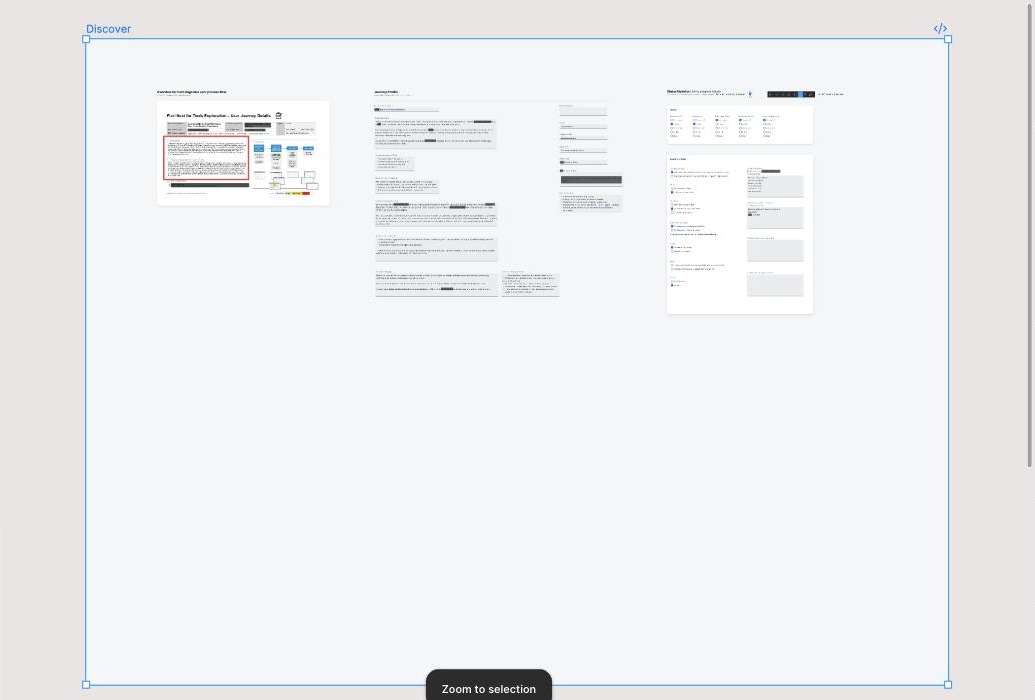
Discover
Three tools, three mental models, one confused user.
The starting point was a fragmented toolset — separate editors and lifecycles for different ways of building an app, with no shared thread between them. Research surfaced two clear sets of findings:
Pain points
- Dilemma: which tool to use — AppGyver, SPA, or BAS?
- Multi-separated lifecycles across projects
- Competing tools and concepts: separate UI editors, backend editors, authorization, and deployment
- The UX didn't fit the persona's mental model — heavy dependencies, poor collaboration
- Lobby exists at the subaccount level; content is filtered per subaccount — customers with 100+ subaccounts ended up with 100+ separate lobbies
Ideas
- Break the silos: one type of project instead of several
- Same editors across the board — UI, backend, authorization, deployment
- Collaboration: pro-code and low-code builders working on the same project
- Hide complexity from the builder; expose it to admins to support governance
- A single project lifecycle
- One lobby showing all projects at the account level
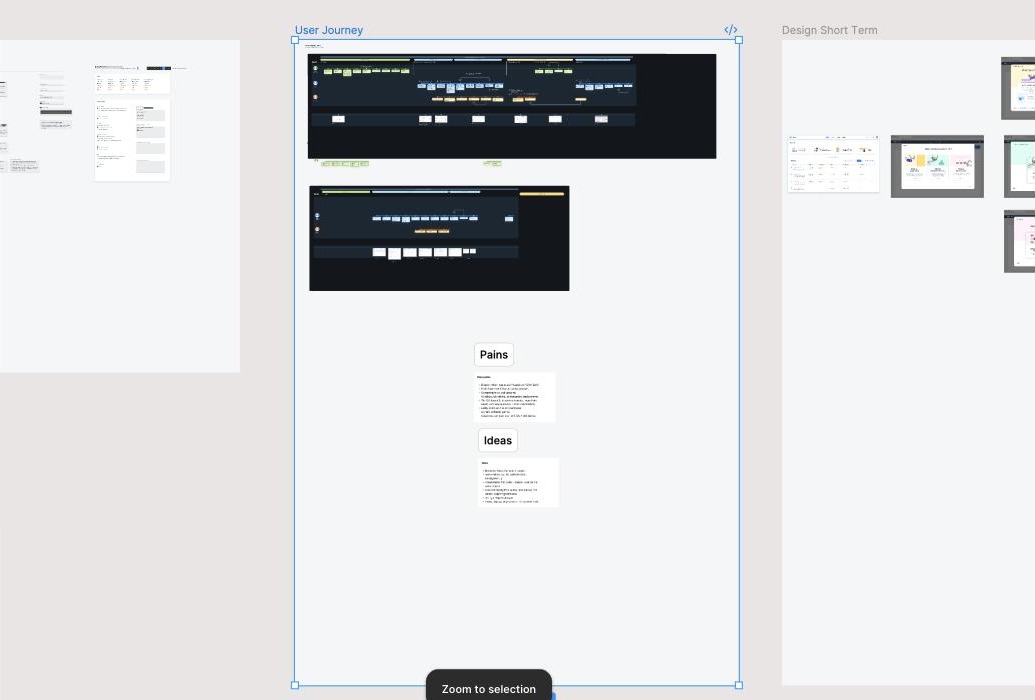
User journey
I mapped the current-state journey across the fragmented toolset to make the disconnects visible — where a user had to leave one tool's mental model and re-orient in another, and where the pain points above showed up concretely in the flow.
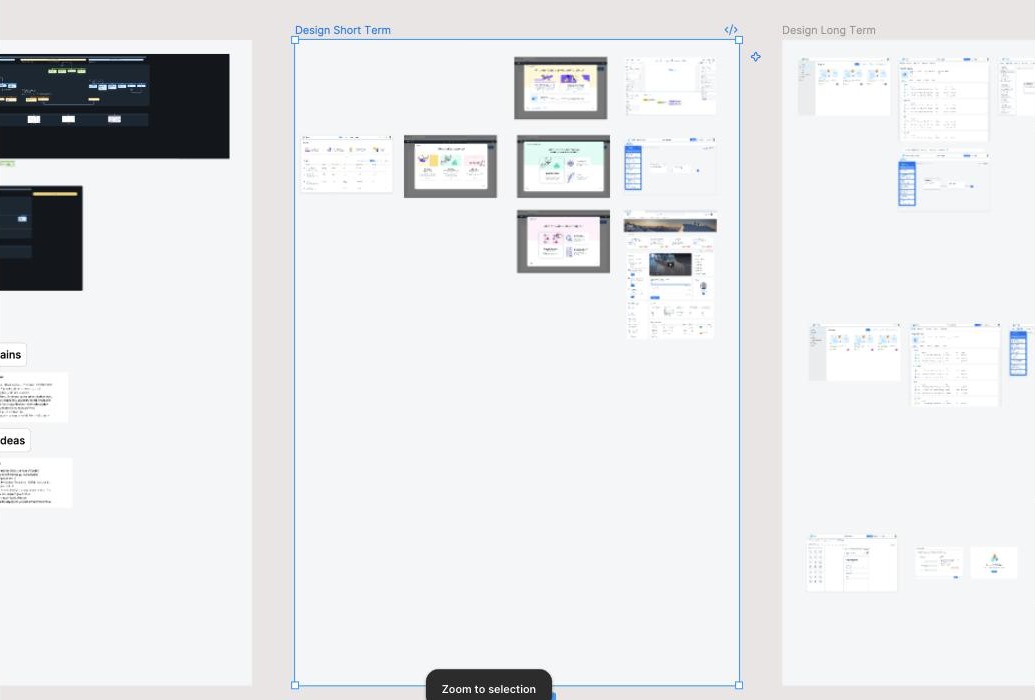
Design: short term
The short-term direction couldn't wait for a full platform unification, so I designed a guided, wizard-style entry point — letting a user pick what they wanted to build ("what type of application," "which process automation type," "which area to configure") and routing them into the right tool with a consistent shell around it, rather than making them choose blind between three product names.
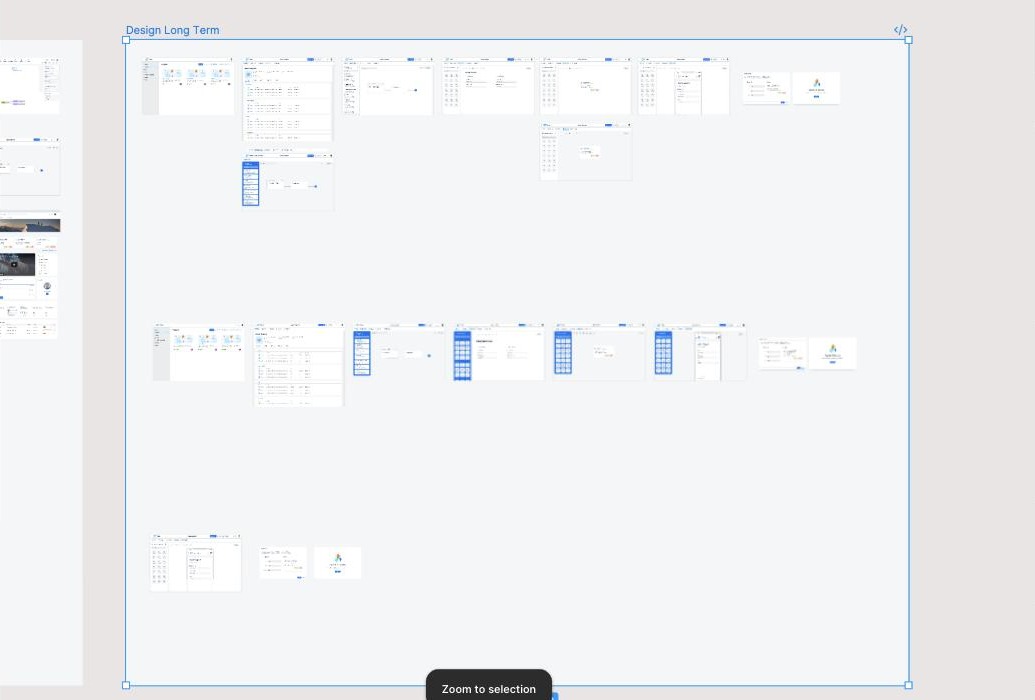
Design: long term
The long-term direction was the real fix: one unified workspace, one lobby at the account level, and shared editors across web and mobile — the "break the silos" idea taken to its full conclusion, with complexity hidden from the builder and surfaced only where admins needed governance controls.
What Natalie should add to finish this case study
- Timeline — when this work happened.
- Outcome — how much of the short-term and long-term direction actually shipped, and what changed as a result.
- Clean exports of the design screens, rather than the working Figma board crops used here.
- Confirm this level of detail (tool names, pain points, subaccount/lobby mechanics) is OK to share publicly — SAP Build itself is a public product, but some of this detail reads as internal strategy.
Note: the visuals here are cropped screenshots from your working Figma file, not polished exports. The "Journey Profile" document includes redacted sections — I kept those as you'd redacted them and didn't attempt to read anything blacked out.